Are Leather Jackets Sustainable? The Truth About Leather, Fast Fashion & Global Warming or
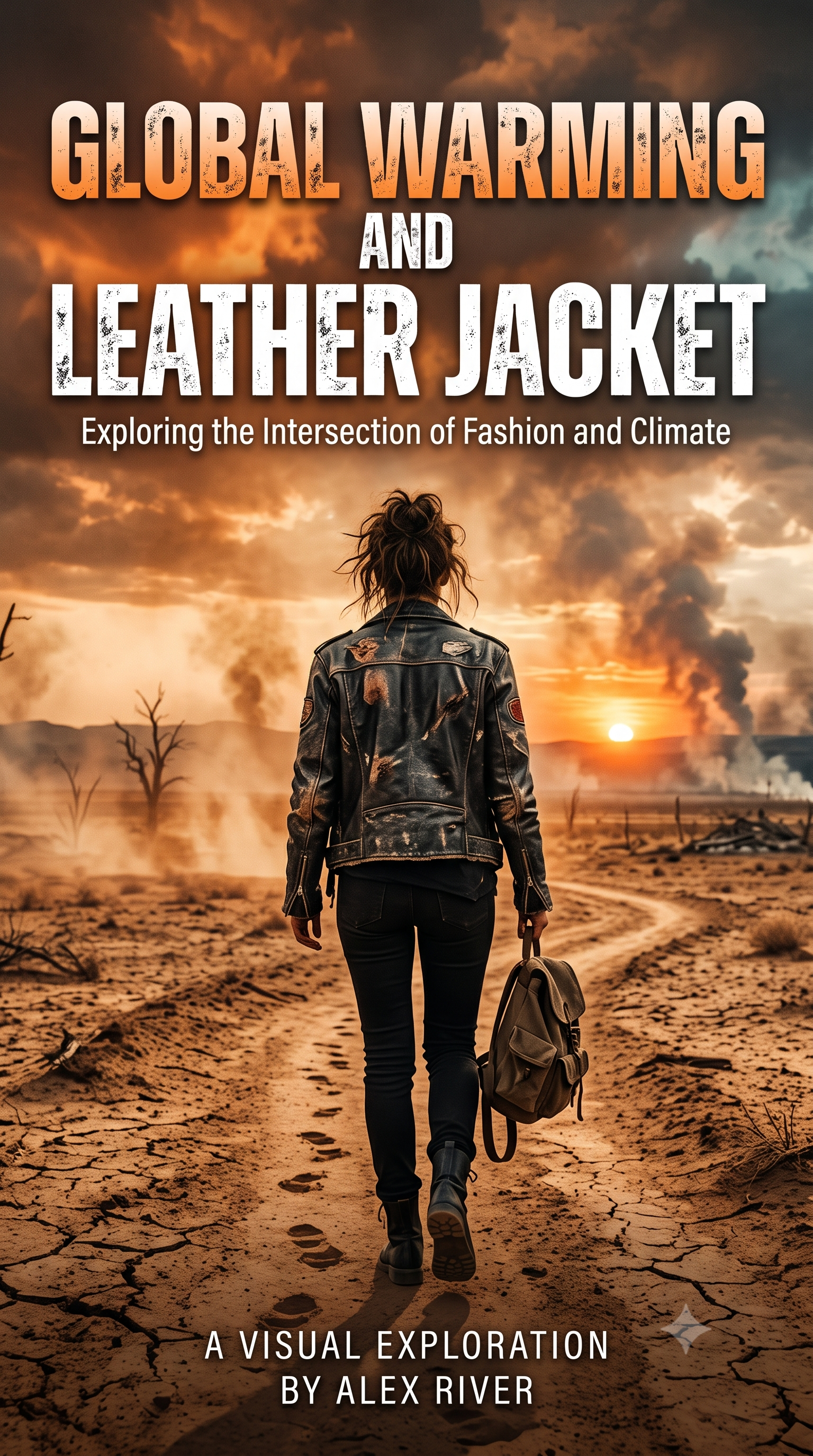
Are Leather Jackets Sustainable? The Truth About Leather, Fast Fashion & Global Warming
By LeatherOxide

Every purchase we make has an impact. From the food we eat to the clothes we wear, our choices influence the environment in ways we often don't realize. As conversations around climate change become more common, shoppers are beginning to ask an important question:
Can fashion be both stylish and responsible?
The answer isn't as simple as choosing one material over another.
Leather jackets, in particular, are often part of the sustainability debate. Some people believe leather is harmful because it comes from animal hides, while others argue that a genuine leather jacket can last decades and reduce the need to buy replacement clothing.
The truth lies somewhere in the middle.
No fabric is completely free from environmental impact. Cotton uses enormous amounts of water. Polyester is made from petroleum and releases microplastics. Leather requires natural resources and skilled processing. What often matters most is how long a product remains useful.
A jacket worn for twenty years usually creates far less waste than several cheaper jackets replaced every season.
At LeatherOxide, we believe buying less—but buying better—is one of the smartest decisions anyone can make.
Why Global Warming Matters to Everyone
Global warming is no longer something people expect to happen in the future. It is happening now.
Across the world, temperatures continue to rise, glaciers are shrinking, forests are burning, and weather patterns are becoming increasingly unpredictable. Heatwaves last longer, floods are becoming more common, and many communities are already feeling the effects of a changing climate.
Scientists agree that greenhouse gases released from transportation, manufacturing, agriculture, and energy production are the biggest contributors to climate change.
While governments and industries play a major role in reducing emissions, everyday consumers also influence the future through the products they choose to buy.
Fashion is one of those choices.
The Hidden Cost of Fast Fashion
Over the past two decades, clothing has become cheaper than ever.
Instead of investing in garments built to last, many people purchase clothing designed to follow short-term trends. These items often wear out quickly, lose their shape after a few washes, or simply go out of style.
This cycle creates enormous amounts of waste.
Millions of garments are discarded every year, with a large percentage ending up in landfills. Many synthetic fabrics can remain there for hundreds of years before breaking down. During that time, they may release harmful microplastics into the environment.
Fast fashion also increases:
- Energy consumption
- Carbon emissions
- Water pollution
- Packaging waste
- International shipping emissions
The result is an industry that encourages replacing clothing instead of maintaining it.
Why Quality Matters More Than Quantity
One of the biggest misconceptions about sustainable fashion is that it depends entirely on the material.
In reality, durability is often just as important.
Imagine buying five inexpensive jackets over the next ten years because each one wears out after a short period.
Now compare that to purchasing one premium leather jacket that still looks great after fifteen or even twenty years.
Which option requires more manufacturing?
Which creates more packaging waste?
Which uses more transportation?
The answer is obvious.
Long-lasting products naturally reduce demand for constant replacement.
That is why durability has become one of the most important conversations in sustainable fashion.
Where Leather Fits Into Sustainability
Leather has been used for centuries because it is naturally strong, flexible, and capable of lasting for decades.
Unlike many synthetic materials, genuine leather develops character with age. Small marks, soft creases, and a rich patina give every jacket its own personality instead of making it look worn out.
Most leather used in fashion comes from hides that are by-products of the food industry. Rather than being discarded as waste, these hides are transformed into products people use for years—including jackets, boots, belts, wallets, and travel bags.
This doesn't mean leather production has no environmental impact.
It requires energy, water, transportation, and processing.
However, the conversation shouldn't stop there.
A product's total environmental footprint also depends on how long it stays in use.
A leather jacket that remains in someone's wardrobe for twenty years can be a more responsible purchase than several disposable alternatives.
Genuine Leather vs Synthetic Alternatives
Many synthetic jackets are marketed as eco-friendly because they don't contain animal leather.
But synthetic materials are commonly made from petroleum-based plastics.
Over time, many of these fabrics begin to crack, peel, or lose their appearance. Once that happens, repairing them is often impossible.
The jacket is usually thrown away.
Genuine leather behaves differently.
Instead of peeling, it matures.
Instead of becoming weaker, properly maintained leather often becomes softer and develops a unique finish that many people appreciate.
For shoppers who value durability, repairability, and timeless style, genuine leather remains one of the longest-lasting clothing investments available.
A Leather Jacket Isn't Just Fashion
Think about the oldest item in your wardrobe.
There's a good chance it's either denim or leather.
That's because these materials were created for durability before fashion trends existed.
A quality leather jacket often becomes part of a person's story.
It travels on road trips.
It keeps you warm during winter evenings.
It appears in family photographs.
It develops memories instead of becoming waste.
That emotional connection encourages people to keep wearing it rather than replacing it.
Ironically, one of the best ways to reduce fashion waste is simply owning clothes people genuinely love wearing.
How Proper Care Extends a Leather Jacket's Life
A leather jacket doesn't need complicated maintenance.
Simple habits can dramatically extend its lifespan.
Store It Properly
Always hang your jacket on a wide, sturdy hanger to help maintain its shape. Avoid folding it for long periods, as deep creases can become permanent.
Clean It Gently
Use a soft microfiber cloth to remove dust after regular wear. When deeper cleaning is needed, use products specifically made for genuine leather.
Avoid bleach, household cleaners, or harsh chemicals.
Condition the Leather
Leather is a natural material that benefits from occasional conditioning.
Applying a quality leather conditioner every few months helps maintain softness, prevents drying, and reduces the risk of cracking.
Protect It From Excess Water
Leather can handle light rain, but it should never remain soaked.
If your jacket becomes wet, blot away excess moisture with a clean towel and allow it to dry naturally at room temperature.
Never use direct heat.
Repair Instead of Replace
A worn zipper, loose button, or damaged lining doesn't mean your jacket has reached the end of its life.
Professional leather repair services can restore many jackets to excellent condition for a fraction of the cost of buying a new one.
Choosing repair over replacement is one of the simplest ways to reduce waste.
The Problem Isn't Leather—It's Disposable Fashion
When people talk about sustainable fashion, the conversation often focuses on materials. But one of the biggest environmental problems isn't what clothes are made from—it's how quickly they're thrown away.
Modern fashion trends change faster than ever. New collections appear almost every month, encouraging shoppers to replace perfectly usable clothing simply because something newer has arrived.
This "buy, wear, replace" cycle has created a culture where clothing is treated as disposable rather than valuable.
A premium leather jacket challenges that mindset.
Instead of chasing trends, it offers something much more valuable: timeless style.
A well-designed leather jacket doesn't become outdated after one season. It works just as well today as it did ten years ago and will likely continue looking stylish for many years to come.
When people continue wearing the same jacket year after year, they naturally reduce demand for new manufacturing, packaging, and transportation.
Sometimes sustainability begins simply by refusing to replace something that still performs beautifully.
Buying One Great Jacket Instead of Five Average Ones
Many shoppers focus only on the purchase price.
However, the better question is:
How much does the jacket cost per year of use?
Imagine buying a low-cost jacket every winter because the previous one faded, cracked, or lost its shape.
Now compare that with purchasing one genuine leather jacket that remains in excellent condition for fifteen or twenty years.
Over time, the premium jacket often becomes the better investment.
Not only financially—but environmentally.
Long-lasting clothing reduces:
- Manufacturing demand
- Shipping emissions
- Packaging waste
- Landfill waste
- Raw material consumption
Buying fewer, better products has become one of the most practical ways consumers can reduce their environmental footprint without changing their entire lifestyle.
The Beauty of Leather That Ages Naturally
Unlike many synthetic materials, genuine leather doesn't simply wear out.
It evolves.
Every journey, every season, and every adventure adds a little more character.
Small natural creases begin to appear.
The leather becomes softer.
The colour develops greater depth.
This natural ageing process is known as patina, and it's one of the reasons leather has remained popular for centuries.
Rather than looking old, quality leather often looks richer with age.
No two jackets develop exactly the same appearance.
Your jacket gradually becomes uniquely yours.
Choosing Quality Over Quantity
When shopping for a leather jacket, quality should always come before trends.
A premium jacket isn't just about appearance.
It should feel substantial the moment you put it on.
Things worth looking for include:
Genuine Leather
High-quality genuine leather offers durability, flexibility, and a natural finish that improves over time.
Strong Stitching
Neat, reinforced stitching helps the jacket withstand years of regular use.
Loose threads and uneven seams are often signs of poor craftsmanship.
Reliable Hardware
Good zippers, snaps, buckles, and buttons make a significant difference over the life of a jacket.
Premium hardware continues working smoothly after years of use.
Comfortable Lining
The inside matters just as much as the outside.
A well-made lining improves comfort while helping the jacket maintain its shape.
Proper Fit
The best leather jacket isn't necessarily the most expensive.
It's the one that fits comfortably, complements your style, and encourages you to wear it regularly.
After all, clothing only becomes sustainable when it actually gets worn.
Can Leather Be Recycled?
This is one of the questions customers ask most often.
The answer is yes—but in different ways.
Many leather products are repaired, restored, repurposed, or even passed down through families before recycling ever becomes necessary.
Unlike many fast-fashion garments that quickly lose their value, genuine leather often remains worth repairing.
Old leather jackets can become:
- Leather bags
- Wallets
- Small accessories
- Cushion covers
- Decorative pieces
Extending a product's life in any form helps reduce waste.
Caring for Your Jacket Is an Environmental Choice
People often think leather care is only about protecting an expensive purchase.
In reality, it's also one of the easiest sustainability habits anyone can adopt.
Simple maintenance dramatically extends a jacket's lifespan.
That means fewer replacements.
Less waste.
Lower environmental impact.
Here are a few practical habits:
Keep It Dry
If caught in light rain, allow your jacket to air dry naturally.
Avoid direct sunlight or heaters.
Use Leather Conditioner
Conditioning once or twice a year helps prevent dryness while maintaining flexibility.
Store It Correctly
A breathable garment bag and sturdy hanger help preserve the jacket's original shape.
Clean Gently
A soft cloth and leather-safe cleaner are usually all that's needed.
Harsh chemicals should always be avoided.
Repair Early
Replacing a zipper today may save the entire jacket tomorrow.
Small repairs prevent much larger damage later.
Leather Jackets Never Really Leave Fashion
Fashion trends come and go.
Leather jackets rarely do.
From Hollywood films to motorcycle culture, from business casual wardrobes to luxury fashion collections, leather jackets have remained relevant for generations.
That's exactly what makes them different from trend-driven clothing.
Buying timeless designs means you won't feel pressured to replace them every season.
Classic styles like:
- Biker jackets
- Bomber jackets
- Racer jackets
- Leather vests
- Leather coats
continue appearing year after year because good design doesn't expire.
Timeless products naturally encourage longer use.
Sustainable Fashion Starts With Better Decisions
Living sustainably doesn't require a perfect lifestyle.
Most people cannot eliminate every environmental impact.
But everyone can make slightly better decisions.
Instead of asking:
"What's the cheapest jacket?"
Ask:
- Will I still wear this five years from now?
- Can it be repaired?
- Is it made with quality materials?
- Does it fit my personal style instead of temporary trends?
- Is it something I'll genuinely enjoy wearing?
These questions often lead to better purchases.
And better purchases usually stay in wardrobes much longer.
LeatherOxide's Philosophy
At LeatherOxide, we don't believe clothing should be disposable.
We believe a leather jacket should become part of your journey.
It should travel with you.
Grow with you.
Collect memories.
Age beautifully.
Every jacket and leather vest we create is designed with durability, craftsmanship, and timeless style in mind. Instead of following short-lived fashion trends, we focus on pieces that remain relevant season after season.
Because true luxury isn't about buying more.
It's about buying something you'll still be proud to wear years from now.
Common Myths About Leather and Sustainability
The conversation around leather is often filled with half-truths. Let's look at some of the most common misconceptions.
Myth 1: Leather Jackets Are Bad for the Environment
The reality is more complex.
No clothing material has zero environmental impact. Cotton farming consumes significant amounts of water, synthetic fabrics rely on fossil fuels, and leather requires processing and energy.
The real question isn't whether a material is perfect.
It's how responsibly it's produced and how long it's used.
A jacket that lasts 20 years usually creates far less waste than several jackets replaced every couple of years.
Myth 2: Vegan Leather Is Always Better
Many shoppers assume "vegan leather" automatically means environmentally friendly.
In reality, many synthetic leather alternatives are made from PVC or polyurethane (PU)—plastic-based materials derived from petroleum. While some newer plant-based alternatives exist, many products sold as vegan leather are still plastic-based.
These materials can:
- Crack and peel over time.
- Be difficult to repair.
- Contribute to plastic waste when discarded.
This doesn't mean every vegan leather product is a poor choice—it simply means the environmental impact depends on the material, manufacturing process, and lifespan.
Myth 3: Leather Jackets Never Wear Out
Even the best leather jacket requires proper care.
Without conditioning, cleaning, and correct storage, leather can dry out, fade, or become damaged.
The good news is that genuine leather is often repairable. Zippers, linings, stitching, and even worn panels can frequently be restored, extending the jacket's life for many more years.
How Consumers Can Reduce Fashion Waste
Protecting the environment doesn't always require dramatic lifestyle changes.
Small, thoughtful habits can make a meaningful difference.
Here are a few practical steps:
- Buy fewer, higher-quality clothing items.
- Choose timeless designs instead of short-lived trends.
- Repair clothing whenever possible.
- Donate or resell items you no longer wear.
- Properly care for garments to extend their lifespan.
- Avoid impulse purchases.
- Invest in products designed to last.
These habits reduce waste while saving money over the long term.
Why Timeless Style Matters
One reason leather jackets remain popular decade after decade is that they rarely go out of fashion.
Classic styles like:
- Leather biker jackets
- Bomber jackets
- Racer jackets
- Leather vests
- Leather coats
continue to be worn across generations.
Unlike fast-fashion trends that disappear within months, timeless designs encourage people to keep wearing the same garment for years.
That longevity naturally supports a more sustainable approach to fashion.
Our Perspective at LeatherOxide
At LeatherOxide, we don't believe sustainability is about chasing marketing buzzwords.
We believe it's about creating products that people genuinely want to keep.
Every leather jacket, vest, and bag we design is made with longevity in mind. Our goal isn't to encourage constant replacement. Instead, we focus on craftsmanship, durable materials, and classic designs that remain relevant season after season.
When a customer still enjoys wearing the same jacket five, ten, or even fifteen years later, that's a product doing exactly what it was meant to do.
For us, sustainability starts with quality.
Frequently Asked Questions
Are leather jackets environmentally friendly?
A leather jacket's environmental impact depends on several factors, including how it is produced, how long it is used, and how well it is maintained. A well-made jacket that lasts for many years can reduce the need for frequent replacements.
How long does a genuine leather jacket last?
With proper care, a high-quality genuine leather jacket can last 20 years or more. Many become family heirlooms and continue looking better as they age.
Is genuine leather better than synthetic leather?
Both materials have advantages and disadvantages. Genuine leather is known for durability, repairability, and longevity, while many synthetic alternatives are lighter and often less expensive. Choosing a product that you'll use for many years is often more important than choosing based on material alone.
How can I make my leather jacket last longer?
Simple habits make a big difference:
- Store it on a wide hanger.
- Keep it away from prolonged moisture.
- Clean it with leather-safe products.
- Condition it occasionally.
- Repair minor damage before it becomes serious.
Is buying one expensive jacket better than buying several cheaper ones?
In many cases, yes. A premium jacket that lasts for many years usually creates less waste than repeatedly replacing lower-quality garments. It can also offer better value over time.
Final Thoughts
There is no single purchase that will solve climate change.
Likewise, no clothing material is completely without environmental impact.
What matters most is making thoughtful choices.
Buying clothing that lasts, caring for it properly, repairing it when necessary, and resisting the urge to replace it unnecessarily are simple habits that help reduce waste.
A leather jacket isn't sustainable simply because it's made from leather.
It becomes a more sustainable choice when it's crafted with care, worn for years, and valued rather than discarded.
That's the philosophy we follow at LeatherOxide.
We believe great craftsmanship deserves a long life—and that timeless style should never be disposable.
Whether you're choosing your first leather jacket or adding another classic piece to your wardrobe, investing in quality is an investment in both your style and a more thoughtful way of consuming fashion.
Explore LeatherOxide
If you're looking for handcrafted leather apparel built for everyday wear and designed to stand the test of time, explore our collections:
- Premium Leather Jackets
- Leather Biker Jackets
- Leather Bomber Jackets
- Classic Leather Vests
- Leather Travel Bags
- Leather Laptop Bags
- Posted in Leather Jackets